
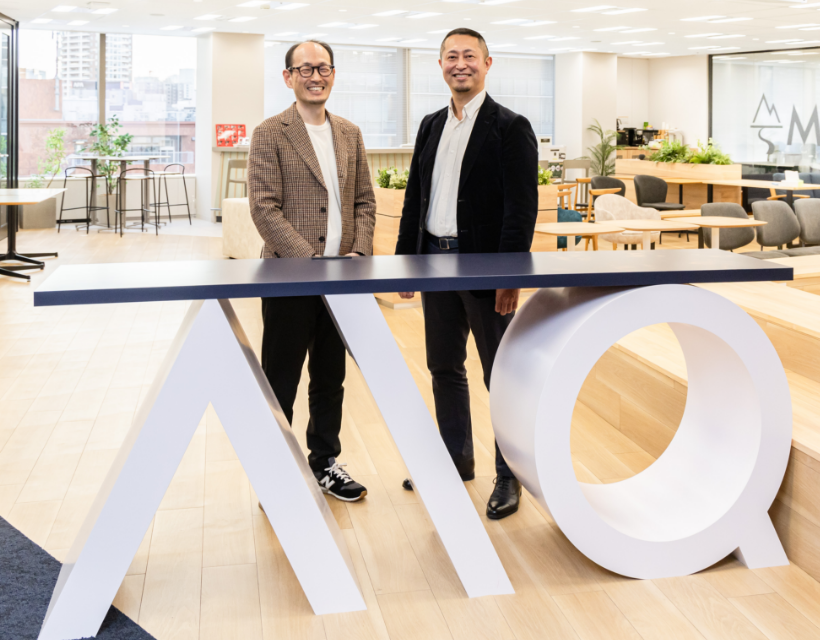



TIS INTEC Group runs a CVC(corporate venture capital) program, investing its own funds to partner with promising startups. Through these collaborations, the group aims to drive mutual growth and innovation. Among these investments is AIQ (pronounced “IQ”), a TIS portfolio company that has gained recognition for its B2C services that utilize AI technology. AIQ leverages its proprietary patented “Profiling AI” technology to create new customer experience value in the fields of social media marketing and digital cloning. Since its founding in 2017, AIQ has consistently introduced cutting-edge AI solutions, starting with innovations in social media marketing and developing creative solutions that utilize AI technology. In 2024, the company expanded its activities by launching a “AI Clone Owner” service for homebuyers, which was developed in collaboration with a leading home builder. We spoke with Katsunori Yamagishi, who heads the CVC division at TIS, and Motomu Watanabe, President, CEO of AIQ, about AIQ’s growth trajectory and the synergies achieved through its partnership with TIS.
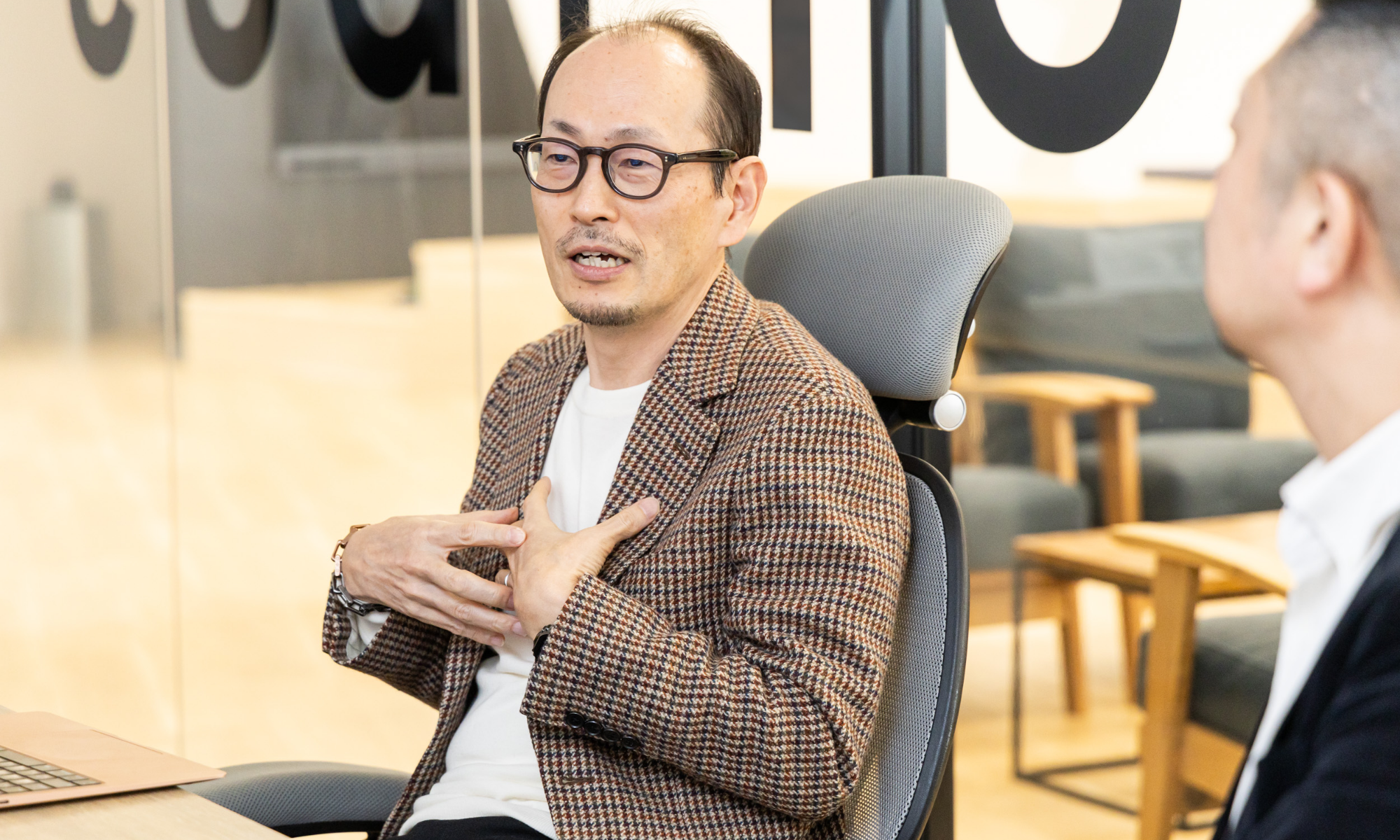
After graduating from university, I joined a major computer company. At the time, mobile phones were not yet widespread, and I was involved in the electronic musical instruments business. I’ve always loved music and once aspired to be a musician, so I joined the company wanting to work in a job that supports music. For about four years, I worked in business planning and as a project manager, but I felt unsatisfied because musical instruments were already a mature category with little technological evolution. I started wanting to challenge myself in a more technology-driven industry.
That led me to the telecommunications industry. It was a time when pagers, mobile phones, and PHS devices were just beginning to gain popularity. I became involved in a large-scale project with a major telecom company, where I was responsible for mobile phone planning. It was then that I truly experienced the rapid pace of technological progress in telecommunications, which had a major impact on my career.
Yes, I did. After gaining experience through projects with major telecom companies, I wanted to grow further, so I moved to the U.S. to launch a new business. In the U.S., I saw young entrepreneurs freely taking on challenges and shining in their fields. Looking back now, I believe that being exposed to that environment planted the seed of wanting to start my own business someday.
After returning to Japan, I joined a major entertainment company, where I worked on mobile content distribution and solution licensing. At the time, Japan was leading the world in mobile services, and I was involved in bridging Western telecom carriers with Japanese technology and content. Wanting to develop business in a more global environment, I then joined a foreign telecom company. However, six months later, the company was acquired by a major IT firm, which brought drastic changes. That led me to explore new opportunities.
Yes, it was. As a managing director, I was in charge of developing services for mobile phones and launching new businesses. I took pride in contributing to the growth of the mobile industry, but since the company mainly focused on contract-based work, launching new businesses took time and was not well understood from management.
I started thinking, “If I really want to do something, I should take the risk and pursue it myself.” I also believed that leading as a CEO would give me an entirely new perspective. That’s what motivated me to start my own company.
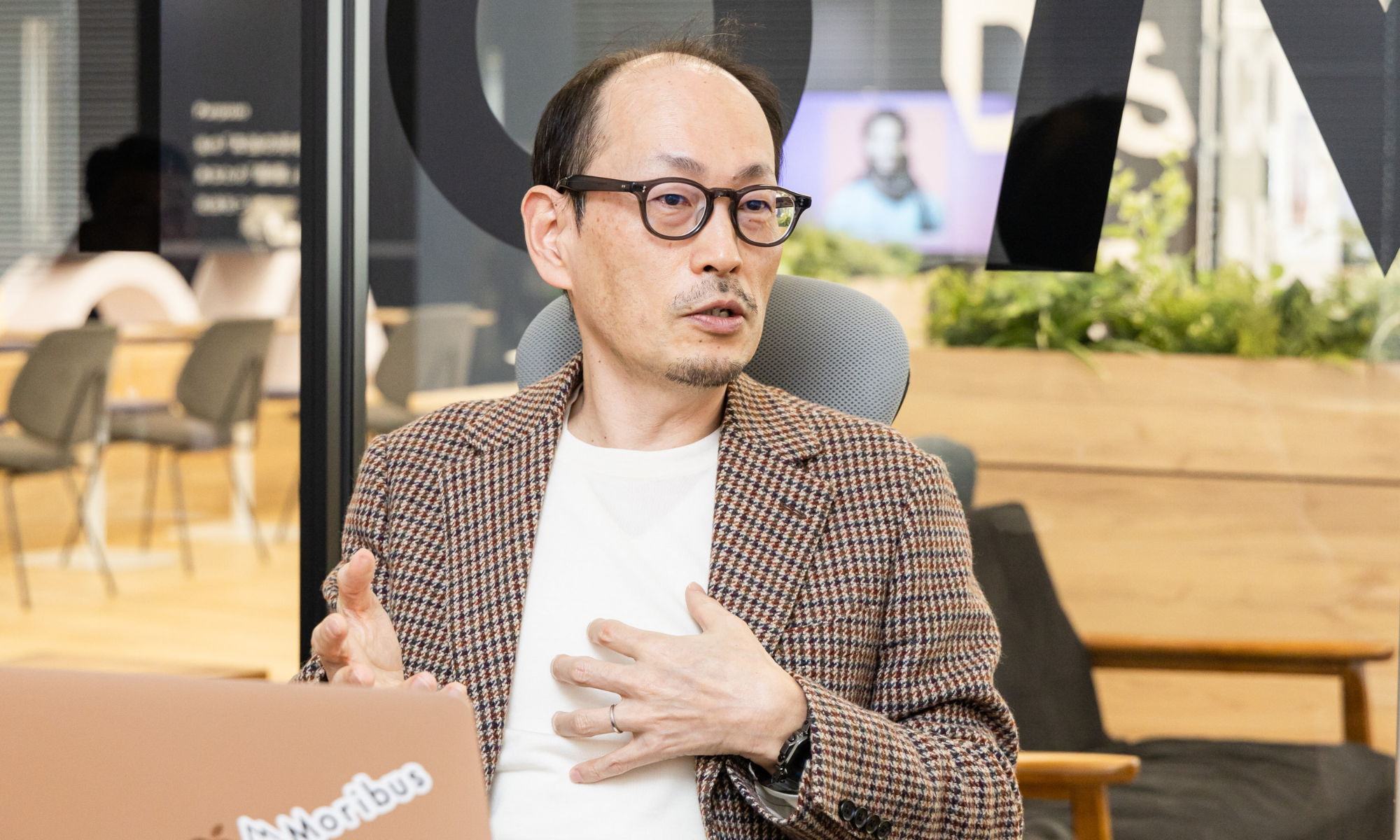
AIQ was founded in July 2017. My business philosophy has always been to create things from the ground up. I’m deeply committed to using technological advancements to generate new value that doesn’t yet exist in the world. That philosophy led to the development of “Profiling AI,” a technology that visualizes individuality based on AI.
In 2017, AI technology was not as widely applicable as it is today. Naturally, the concept of “Profiling AI” had yet to be established. But I saw the potential for AI to analyze the origins of people’s behaviors and thoughts as a reflection of their individuality, leading to our patent application.
At the time, social media marketing was gaining attention, with Twitter (now X) being the dominant platform. Its strength was short-form posts and rapid information dissemination. However, we deliberately focused on Instagram. The reason was that Instagram posts always included images or videos, which made a person’s lifestyle and preferences more evident. We felt that visual information could provide insights into a person’s values and interests. This was the essence of individuality visualization.
Developing profiling AI requires vast amounts of data, but accumulating such data independently is extremely difficult. To address this, we refined our technology by utilizing publicly available data from Instagram, allowing us to achieve optimal profiling. This is how AIQ’s core technology was born.

That’s right. We launched an influencer marketing service in September 2021, utilizing our profiling AI technology, which we had already patented in 2019. It enabled companies and influencers to connect in ways that directly impacted sales, surpassing conventional influencer marketing approaches. Traditional methods typically selected influencers based on surface-level metrics like follower count. However, by leveraging AIQ’s profiling AI technology, we were able to identify influencers with genuine impact and enhance the effectiveness of corporate marketing.
AIQ is not just a technology development company. It has continued to grow with the philosophy of perfectly balancing business and technology to create value.
While technology development is important, competing purely on technical strength won’t allow us to outperform big tech companies. AI fundamentals are evolving daily, as large companies invest enormous capital into their development. That’s why we focus on how technology is applied, creating use cases and delivering them as services. Rather than selling technology itself, our greatest strength lies in packaging it in a way that maximizes its value for business applications.
Yes, it is. We pride ourselves on our strong “technology adaptability.” We don’t just rely on our own developments; we flexibly incorporate cutting-edge technology and implement it in society through “half-step-ahead” use cases. I believe that mindset has driven AIQ’s growth.
For example, let’s say a women’s underwear brand collaborates with influencers to promote products on social media. Traditionally, influencer selection was based on metrics like follower count and the number of “likes” on their posts. However, upon analyzing the posts, we often find that those engaging with them—such as middle-aged men—are outside the target audience.
This highlights the need to go beyond follower count and “likes” and instead visualize the actual demographic being influenced by the content. Our patented Profiling AI goes beyond follower counts and surface-level engagement to reveal the actual audience being reached. As a result, our approach was so disruptive that industry insiders who had focused on follower count remarked that we had “opened Pandora’s box” in marketing, impacting not only pricing structures but also the very methods of influencer marketing, which had been standard practice in the industry.
That’s right. As the labor force shrinks and securing skilled sales staff becomes more challenging, it’s becoming harder for companies to meet customer needs effectively. AIQ is working to transform sales operations by utilizing digital clones.
A digital clone is like a virtual copy of an influencer or company’s sales staff. Using our proprietary AI technology enables online interactions that closely replicate conversations with real people. For example, a digital clone of an influencer staff member can introduce products online and drive purchases, making marketing more targeted. Moreover, the digital clone’s activity enhances the sales performance of the influencer staff it represents.
AI agents are typically designed to replace specific functions and improve efficiency, whereas digital clones exist “for someone.” For example, a digital clone of a sales staff member can engage with customers 24/7, building relationships of trust and rapport. Another notable feature is that they transcend language and regional barriers, making it possible to reach a broader audience.
In November 2024, we launched the “AI Clone Owner” as a service of Sekisui House. This service creates digital clones based on real homeowners’ Instagram posts, allowing prospective homebuyers to interact with them.
When buying a home, most people gather info online—especially on social media—before visiting a homebuilder’s website or showroom. Instagram, in particular, is full of real-life info of homeowners’ firsthand experiences, such as photos of the home they purchased and their impressions after living there.
However, until now, this kind of social media information was rarely leveraged as a marketing asset by companies. That’s why we developed a system that creates a ‘digital clone of a homeowner’ to interact with users considering purchasing a home.”
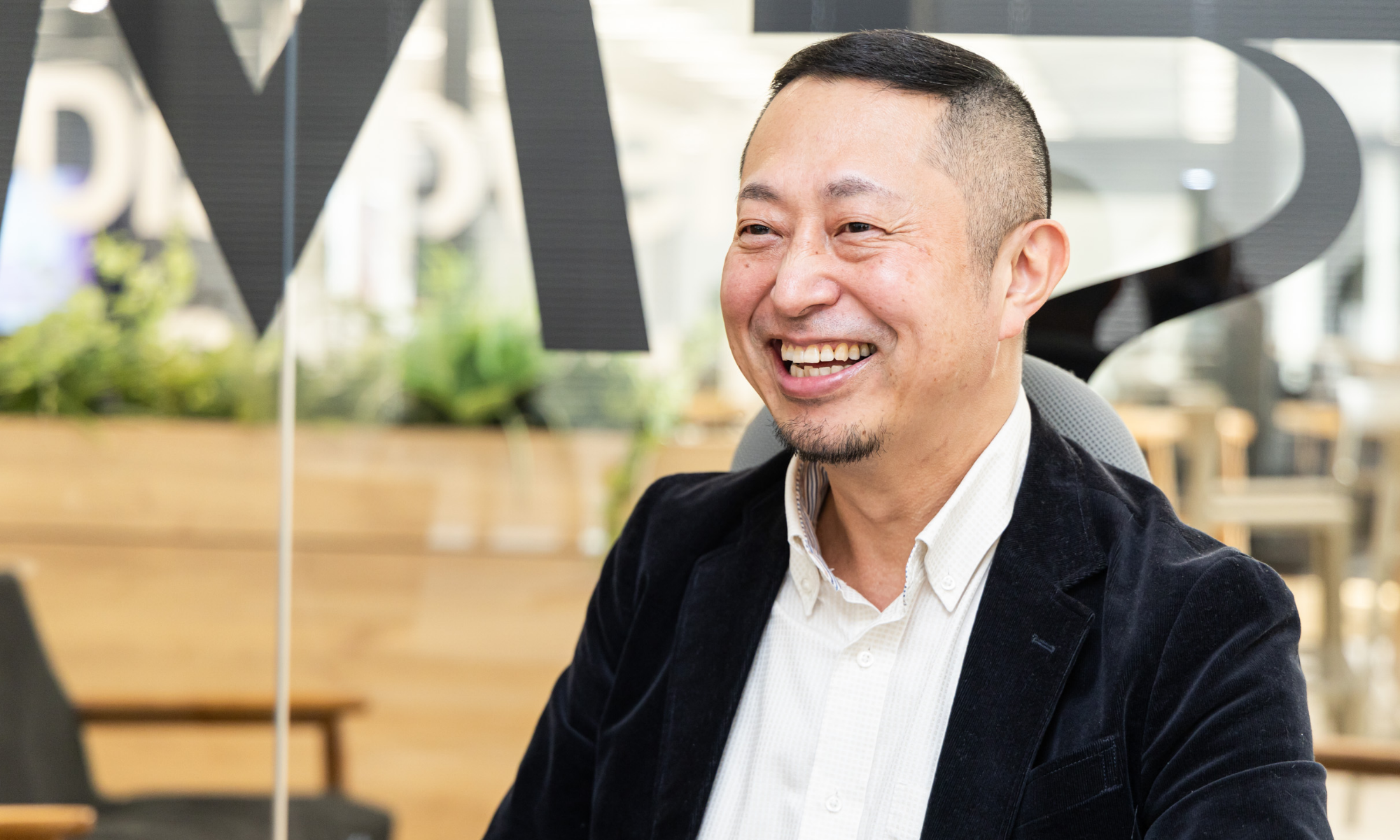
Exactly. Traditionally, when purchasing a home, many buyers have already made up their minds before even visiting a showroom. That’s why conversations with homeowners who have already built their homes are crucial in the decision-making process.
By using “AI Clone Owners,” prospective buyers can engage with digital clones of real homeowners 24/7, resolving any doubts or concerns before the purchase. Furthermore, this exchange data is accumulated as a marketing asset and is expected to contribute to more precise product planning and sales activities.
Absolutely. The conventional approach would be to create a digital clone of a salesperson. However, a thorough analysis of the customer journey in home buying reveals that the homeowner is actually the most influential “salesperson.” This is where AIQ’s strength lies—in its ability to visualize consumer behavior through technology. We continue to leverage this technology to strengthen corporate marketing assets. Our collaboration with Sekisui House is one such example.
Our relationship with AIQ actually began about two years before the investment. As TIS’s CVC, we were exploring partnerships with high-growth startups, and AIQ’s patents and implementation track record caught our attention. From the start, AIQ’s approach and way of thinking had a unique quality that set it apart from other companies. So, we explored collaboration opportunities in line with their fundraising schedule and officially invested in March 2022.
For startups like us, collaborating with large companies is extremely important. We are especially grateful that a large company like TIS has continued to place its long-term trust in us. Mr. Yamagishi and the TIS CVC team have continued to support our growth over the years. I believe that as we evolve, these expectations will remain the same, if not stronger.
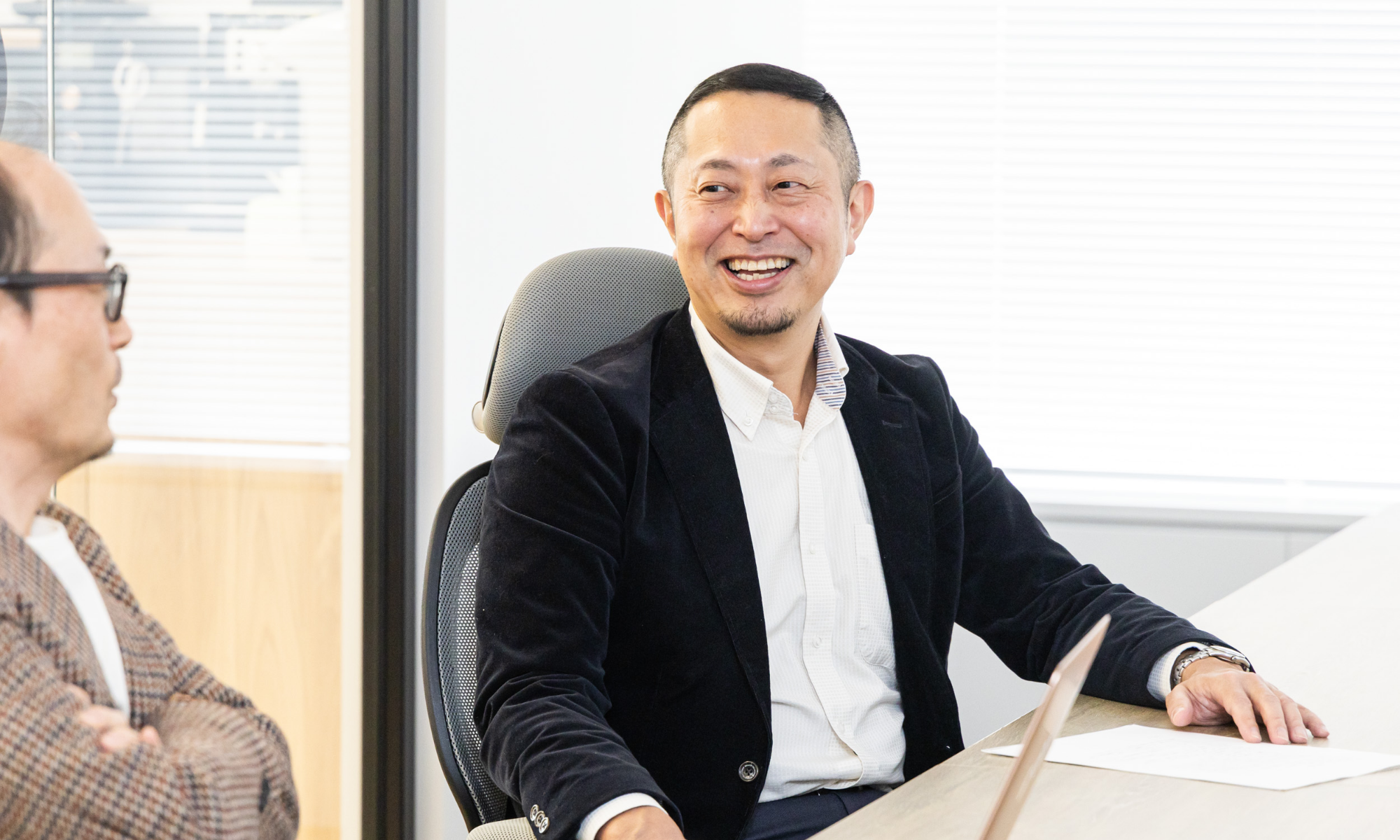
AIQ’s strength lies in the fact that it is not just a company specializing in social media-based marketing. While they do engage in cutting-edge influencer marketing, what we value even more is their ability to apply AI in the B2C sector and implement patented technologies. They don’t just develop technology, they bring it into real-world applications and scale it as a business. That’s what makes them compelling to us.
Moreover, startups often change their business focus as they grow, but AIQ has stayed true to its original vision while introducing new technologies and services to the market at the right timing. Such startups are rare, which is why we are committed to supporting them continuously.
That’s true. HUMANISE AI is an advancement of AIQ’s patented profiling AI technology. Traditional profiling AI analyzes social media posts and data to extract a person’s characteristics. But HUMANISE AI takes it a step further by making it possible to “reproduce individuality.”
As an example, it analyzes fine details such as a person’s writing style, word choices, text expressions, and even their use of emojis to create a digital clone. In other words, it replicates how that person would naturally express themselves.
We believe that humans are not perfect. Their knowledge may be outdated, and sometimes they make mistakes. But that, too, is part of their “individuality.” Our proprietary “HUMANISE AI” faithfully reproduces these unique traits, creating digital clones that feel as if the person is actually speaking. We see this as a new step in making AI more “human-like.”
We believe AIQ’s technology has applications far beyond just the marketing sector, and we foresee it being applied to an even wider range of fields in the future. From a CVC perspective, we see tremendous potential in AIQ, which is why we are actively exploring collaboration opportunities and aim to develop new businesses and markets together.
What I’ve consistently felt throughout our partnership with TIS is their passion and deep level of support. TIS is not just an investor; they actively engage as a business partner and even introduce us to potential clients. This kind of relationship is incredibly valuable to us.
Another notable aspect of TIS is their remarkably fast decision-making. When a new collaboration opportunity arises, they act quickly and put it into action. In fact, during discussions with local governments, TIS representatives were present, making us feel like we were operating as a strong, unified team.
Over the past year or two, AIQ has seen a significant change in its customer base and the size of its business, with the company now doing more business with larger corporate customers. This growth has been possible thanks to TIS’s support. Moving forward, we aim to continue growing and collaborating with TIS across a broader range of industries to create new value.

As AIQ grows, its business areas are increasingly overlapping with our clients and potential clients, and we want to further expand collaboration opportunities in the future. We view our investees not just as recipients of funding, but as “business partners” who mutually promote each other’s growth, so we’d like to build relationships where we can create new value together.
TIS INTEC Group advocates “solving social issues through IT.” We want to continue challenging ourselves to realize a better society by working alongside startups that resonate with this philosophy.

TISI Inc.
Technology & Innovation Division
Incubation Center
TOYOSU BAYSIDE CROSS TOWER, 2-1,Toyosu 2-chome, Koto-ku, Tokyo, 135-0061, Japan [ Access Map  ]
]